

Strengthening Genetic Materials for Cacao Systems: Lessons on Improving Productivity, Resilience and Market Potential in Latin America
Case Studies
Strengthening Genetic Materials for Cacao Systems: Lessons on Improving Productivity, Resilience and Market Potential in Latin America
Access to high-quality genetic materials is a critical foundation for improving cacao productivity, resilience and market competitiveness. Across Latin America, many smallholder cocoa farmers have historically relied on aging or low-performing trees, with limited access to improved planting materials and weak systems for propagation and distribution. Experience from Lutheran World Relief’s cocoa programming in Ecuador, El Salvador, Guatemala, Honduras, Nicaragua and Peru shows that strengthening cacao genetic material systems requires more than introducing improved varieties. Sustainable results depend on strong nursery and propagation systems, applied research, effective dissemination and alignment with market demand.
Across the six countries, Lutheran World Relief strengthened 411 nurseries and clonal gardens and facilitated the distribution of more than 665,000 cacao seedlings and budwood. Standardized practices in grafting, seed propagation and nursery management helped improve the quality and consistency of planting materials, while grafting enabled farmers to renovate aging or unproductive cacao farms and replicate high-performing varieties more rapidly. National cacao catalogs and germplasm systems also supported varietal selection based on disease resistance, environmental adaptability and flavor profiles.
Connecting research with practical, on-farm application is essential to ensuring that improved cacao varieties reach and benefit smallholder farmers. Demonstration plots, farmer-to-farmer exchanges, field days, technical resources and digital tools helped farmers and local promoters access information on propagation, nursery management and varietal selection. These systems can help bridge the gap between agricultural research and farmer adoption while strengthening the consistency and reliability of cocoa production.
Cacao genetic materials also play an important role in climate resilience, cocoa quality and market access. Selecting varieties for disease resistance, environmental adaptability, flavor and other quality characteristics can help farmers respond to climate variability and production risks while meeting the needs of specialty buyers and regulated international markets. Strong documentation and traceability systems further connect varietal selection with market requirements. Together, these lessons demonstrate the importance of coordinated investment in research, nurseries, propagation, genetic diversity and farmer adoption to build more productive, resilient and market-ready cocoa systems.
Download Now Aug 07, 2026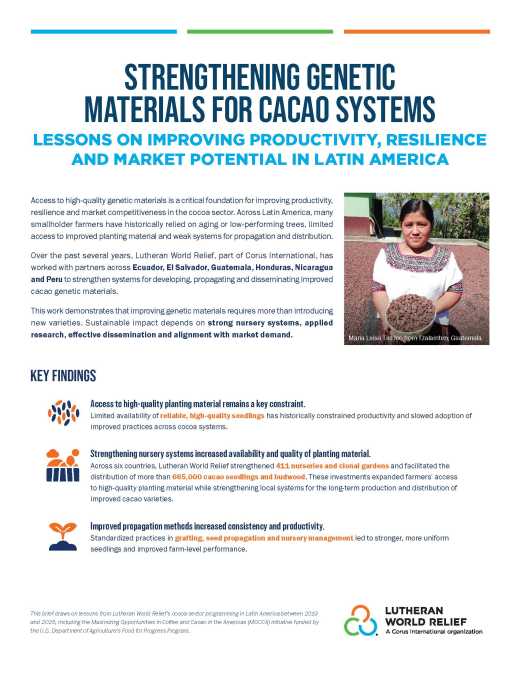
TECHNICAL RESOURCES
-
Technical Approaches
Local Capacity Strengthening Technical Overview
-
Case Studies
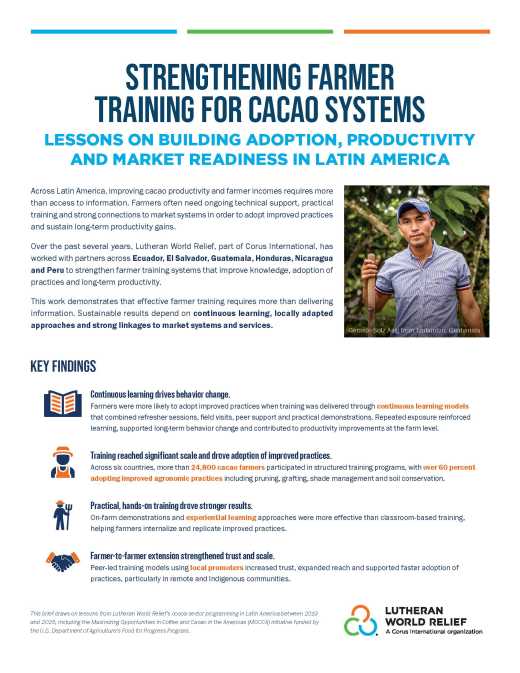
Strengthening Farmer Training for Cacao Systems: Lessons on Building Adoption, Productivity and Mark...
-
Case Studies
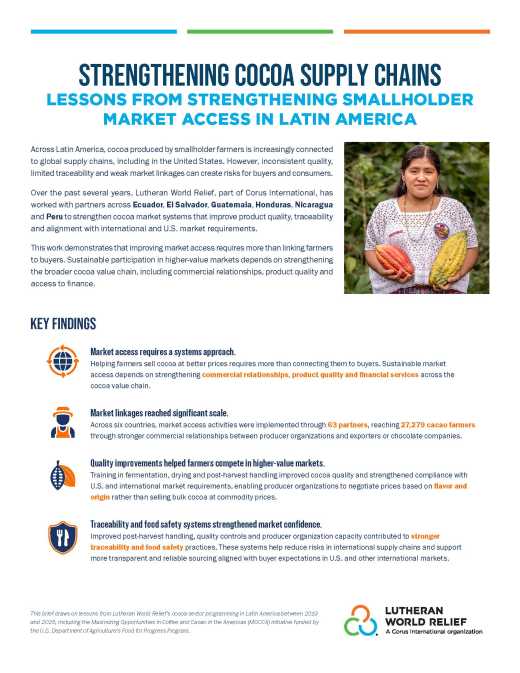
Strengthening Cocoa Supply Chains: Lessons from Strengthening Smallholder Market Access in Latin Ame...
-
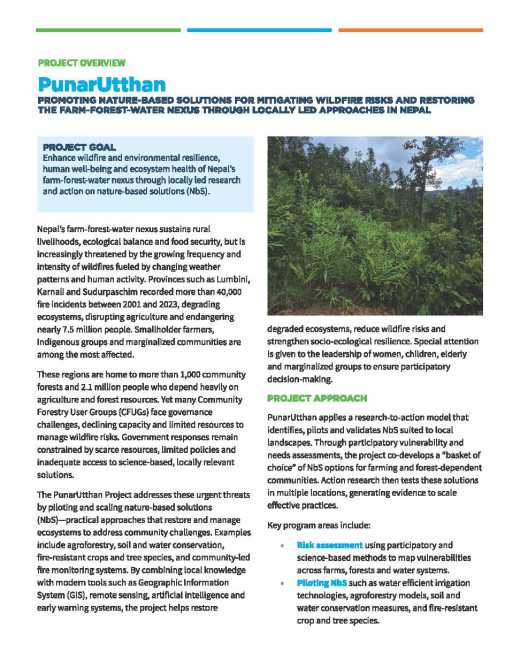
Project Overviews
PunarUtthan Project Overview
-
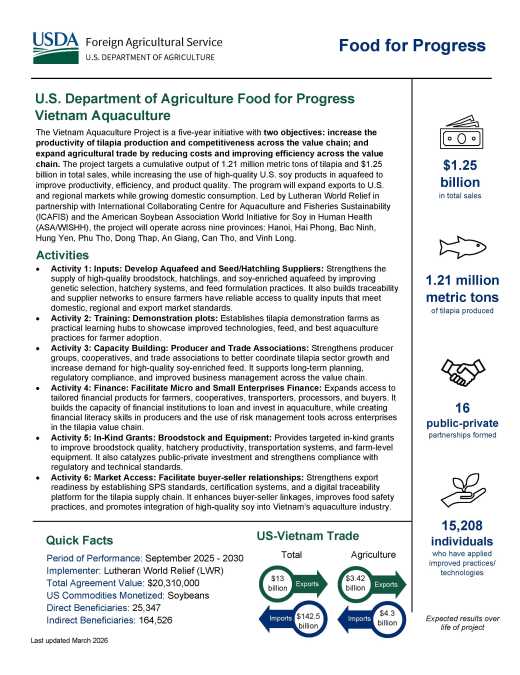
Project Overviews
USDA Food for Progress Vietnam Aquaculture Project Overview
-
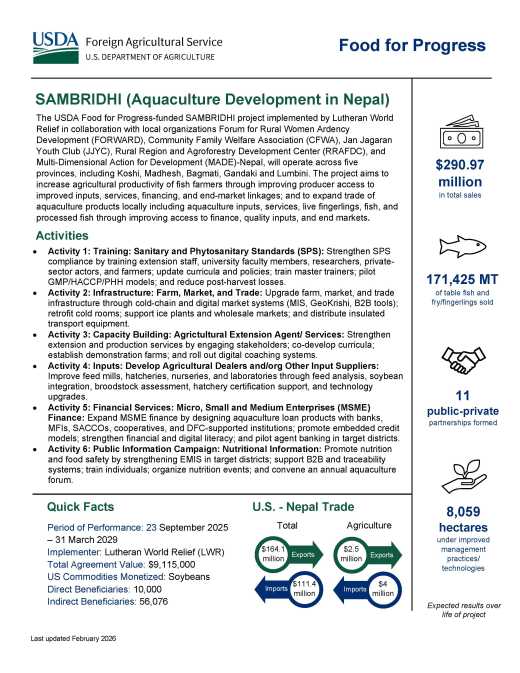
Project Overviews
SAMBRIDHI (Aquaculture Development in Nepal)
-
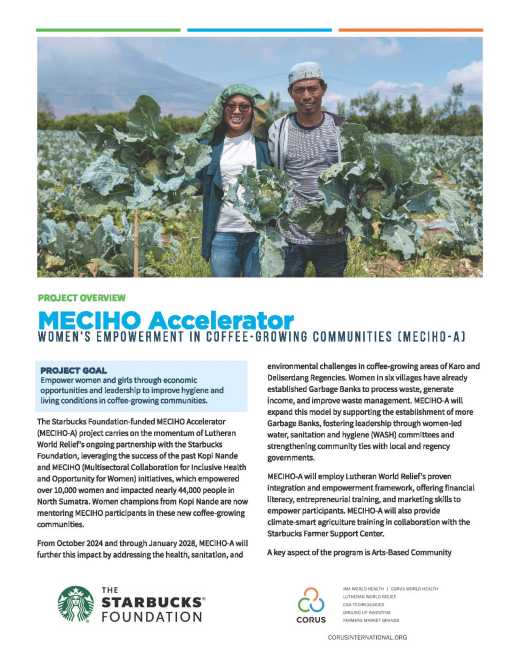
Project Overviews
MECIHO Accelerator Project Overview