

Strengthening Farmer Training for Cacao Systems: Lessons on Building Adoption, Productivity and Market Readiness in Latin America
Case Studies
Strengthening Farmer Training for Cacao Systems: Lessons on Building Adoption, Productivity and Market Readiness in Latin America
Across Latin America, improving cacao productivity and farmer incomes requires more than providing farmers with technical information. Experience from Lutheran World Relief’s cocoa programming in Ecuador, El Salvador, Guatemala, Honduras, Nicaragua and Peru shows that farmers are more likely to adopt and sustain improved agricultural practices when training combines continuous learning, practical application and ongoing technical support. Strong connections to markets and services are also critical for translating new knowledge into long-term productivity and economic gains.
More than 24,800 cacao farmers across the six countries participated in structured farmer training programs, with over 60 percent adopting improved agronomic practices such as pruning, grafting, shade management and soil conservation. Continuous learning models that combined refresher sessions, field visits, peer support and hands-on demonstrations helped farmers move beyond awareness to behavior change. Farmer-to-farmer extension and community-based promoters further expanded access to technical knowledge, particularly in remote and Indigenous communities, while building local capacity to sustain support over time.
Effective farmer training also depends on how and where learning takes place. Practical, on-farm demonstrations proved more effective than classroom-based instruction, while adapting training to local languages, literacy levels, agroecological conditions and household responsibilities helped make technical assistance more accessible and relevant. Digital agricultural extension tools such as Cacao Móvil complemented in-person training by giving cacao farmers and local promoters ongoing access to guidance on pruning, grafting, pest management, post-harvest handling and other production practices. More than 30,000 producers have engaged with the platform, alongside more than 700 trained local facilitators.
Training alone, however, does not guarantee higher productivity or stronger livelihoods. The greatest impact occurs when farmer training and agricultural extension are connected to broader cocoa value chain opportunities, including improved inputs and planting materials, strong producer organizations, financial services and credit, and market linkages and buyer relationships. Together, these lessons demonstrate the importance of farmer training systems that focus on behavior change rather than one-time knowledge transfer, strengthen local extension capacity and connect improved agricultural practices with the services and markets farmers need to sustain them.
Download Now Aug 07, 2026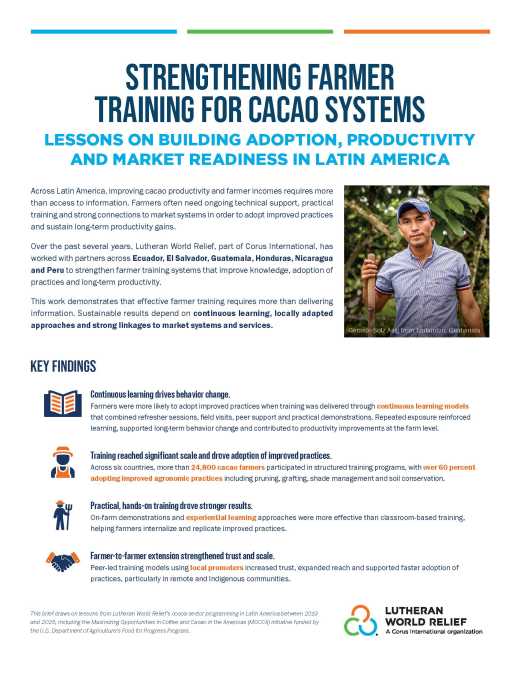
TECHNICAL RESOURCES
-
Technical Approaches
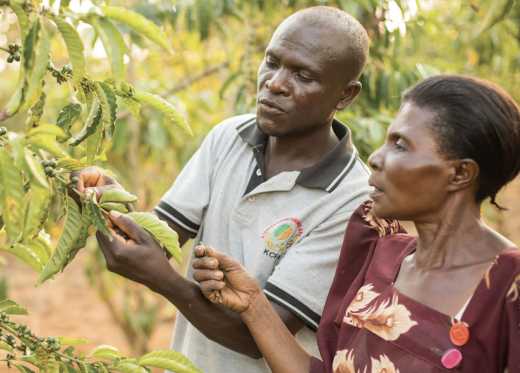
Local Capacity Strengthening Technical Overview
-
Case Studies
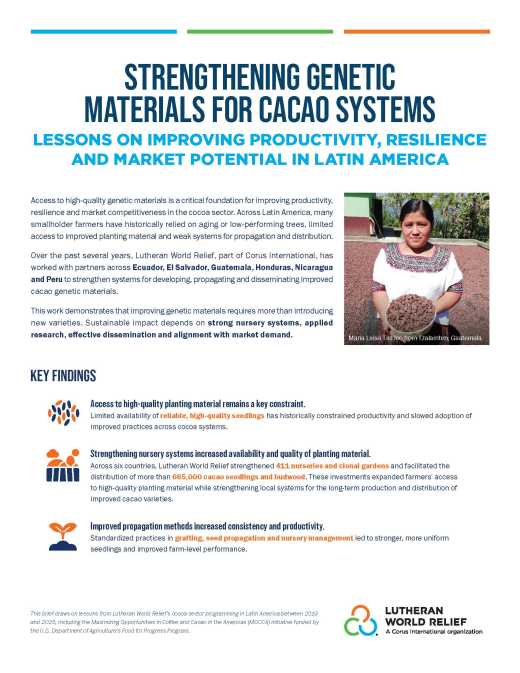
Strengthening Genetic Materials for Cacao Systems: Lessons on Improving Productivity, Resilience and...
-
Case Studies
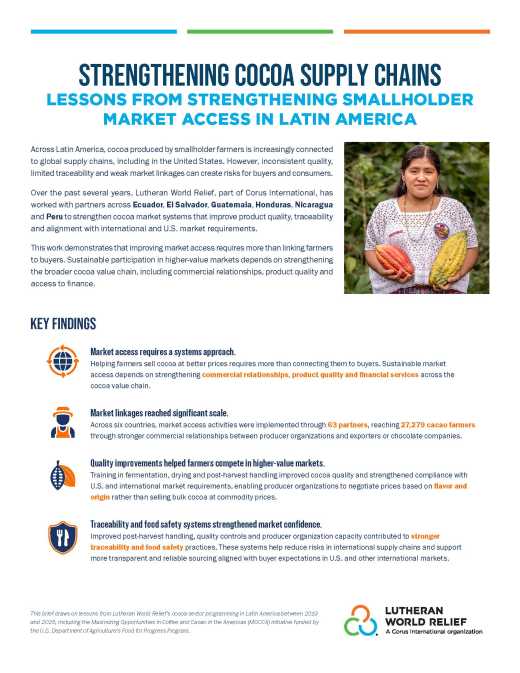
Strengthening Cocoa Supply Chains: Lessons from Strengthening Smallholder Market Access in Latin Ame...
-
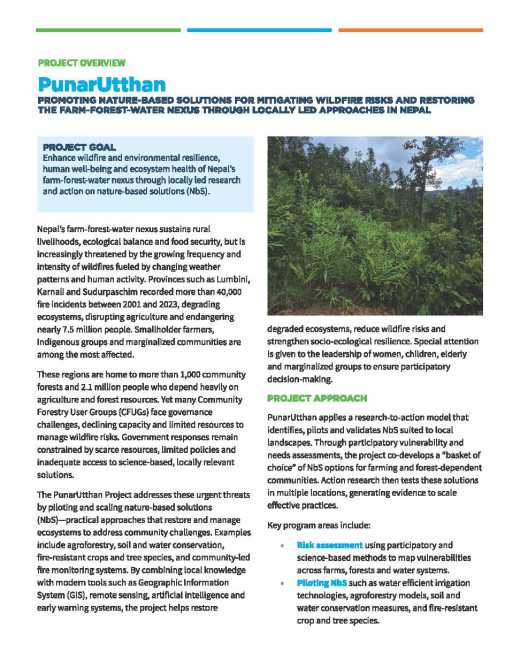
Project Overviews
PunarUtthan Project Overview
-
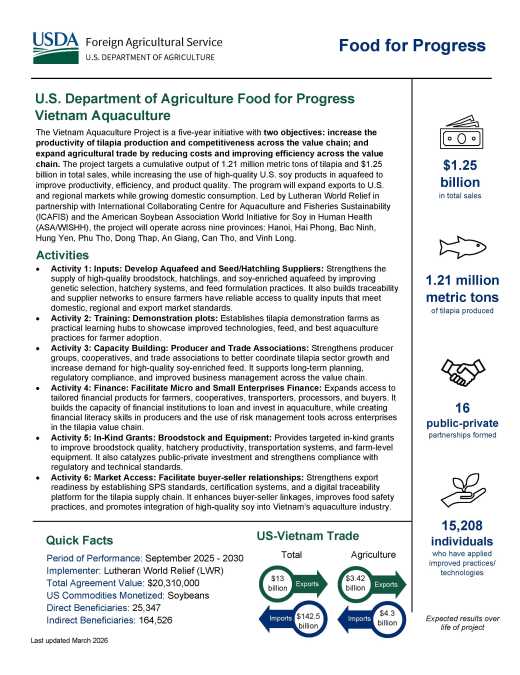
Project Overviews
USDA Food for Progress Vietnam Aquaculture Project Overview
-
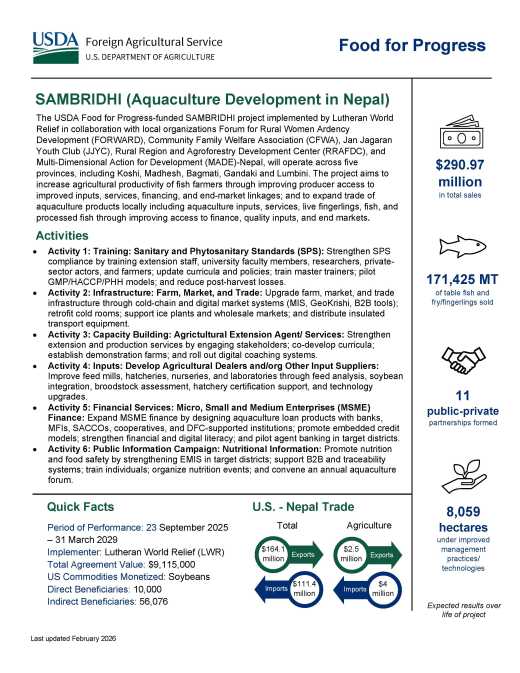
Project Overviews
SAMBRIDHI (Aquaculture Development in Nepal)
-
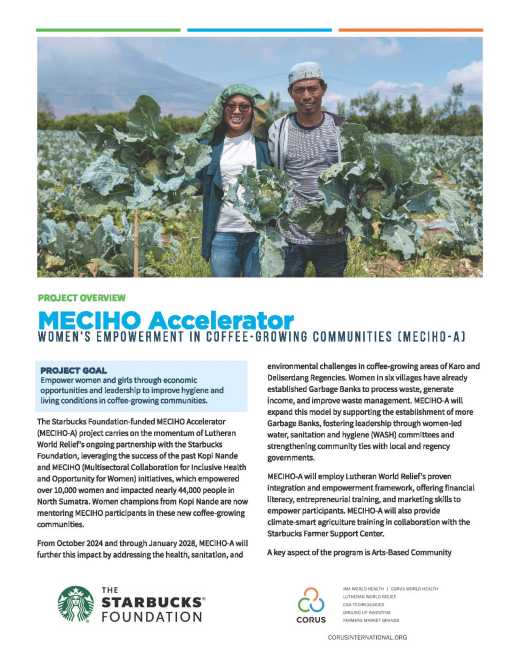
Project Overviews
MECIHO Accelerator Project Overview