


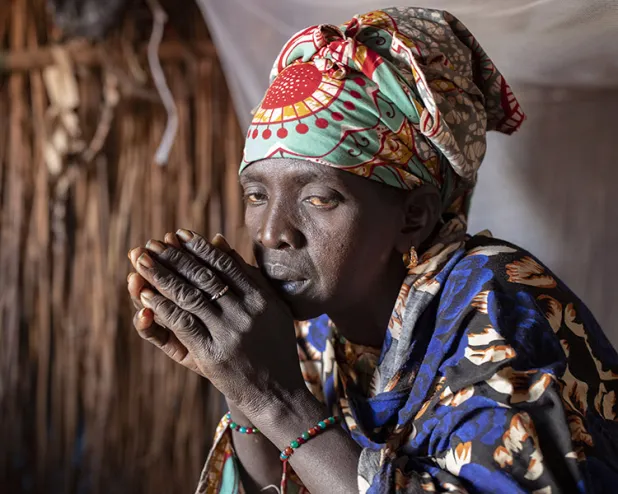
Hunger is a universal crisis. Even though our world produces more than enough food to feed its 8.3 billion inhabitants, hunger remains a constant and heartbreaking reality for a massive portion of the global population.
Roughly 1 in 11 of our neighbors face chronic hunger, while nearly 2.4 billion are considered food insecure, meaning they lack consistent access to food. The crisis disproportionately affects the most vulnerable, including women and children and those living in rural communities. It touches God’s children in every corner of our planet, and creates long-standing effects on health outcomes, economic development and even perpetuates conflict.
Hunger is a complex and ubiquitous global challenge. The reasons behind the crisis are complex, but understanding them more deeply is the first step toward a lasting and credible solution. Below you will learn more about hunger — WHO it impacts, WHERE it's happening, WHY it continues, and HOW you are helping families thrive and build greater resilience in face of it.
WHO hunger impacts

Most days, 2-year-old Mariatu in Sierra Leone has only one meal a day — a cup of dry rice split among six family members.
Hunger's grip is the tightest on the most vulnerable.
While poverty is a global issue, severe food insecurity is concentrated in regions where compounding crises — conflict and drought, displacement and disasters — make it incredibly difficult for families to survive.
Sub-Saharan Africa is the region most affected, where unpredictable weather and conflict often disrupt access to food and agricultural supplies. Disaster-prone areas in Southern Asia are also home to a staggering number of people facing hunger. Often referred to as the “Dry Corridor,” communities in countries like Guatemala and Honduras in Central America face extended periods of extreme heat and unpredictable rainfall that destroy crops year after year.
Because of your love, Lutheran World Relief works in some of the hardest places to access, reaching the most vulnerable neighbors. We have seen firsthand in many of these communities the devastation that hunger causes families, and how it keeps them trapped in a vicious cycle of poverty.
WHAT causes hunger
The forces driving global hunger

After Claudine and her family narrowly escaped rebel violence by fleeing their home village in the Democratic Republic of Congo, only to arrive in a displacement camp to face another threat — hunger.
Hunger is rarely caused by just one thing. It is often a combination of catastrophic factors that push vulnerable families to the brink.
Conflict and Displacement
Conflict is the main driver of hunger in most of the world’s food crises today. When violence breaks out, farmers are forced to abandon their fields, local markets close, and roads used to transport food are destroyed. The war in Ukraine, a country which is a major grain exporter, disrupted global food supplies in ways that were felt by farmers oceans away. But hunger also perpetuates violence, increasing fighting as resources decrease. Most people facing severe food crises live in countries torn apart from conflict.
Extreme Weather
Extreme weather, like extended droughts, floods and powerful storms, is happening more often and with greater intensity. For small-scale farmers who rely on rainfall for their crops, one bad season can wipe out an entire year’s worth of food and income. In East Africa, for example, long droughts have devastated livestock, leaving families with no way to get nourishment or earn a living.
Economic Instability
Soaring food prices and economic crises can make food impossible to afford, even when it’s available. The most vulnerable families are hit the hardest because they spend the largest portion of their income on food. When prices suddenly increase, they are forced to buy less food or choose cheaper, less nutritious options to get by. In Mali, rising fertilizer costs meant farmers had to buy less costly and less effective varieties, or go without. As a result, crop production went down and farmers had fewer crops to sell, and even fewer to feed their own families.
WHY hunger continues
The systemic causes of hunger’s persistence
While conflict and extreme weather trigger hunger crises, deeper, systemic problems allow hunger to continue.
Poverty and Inequality
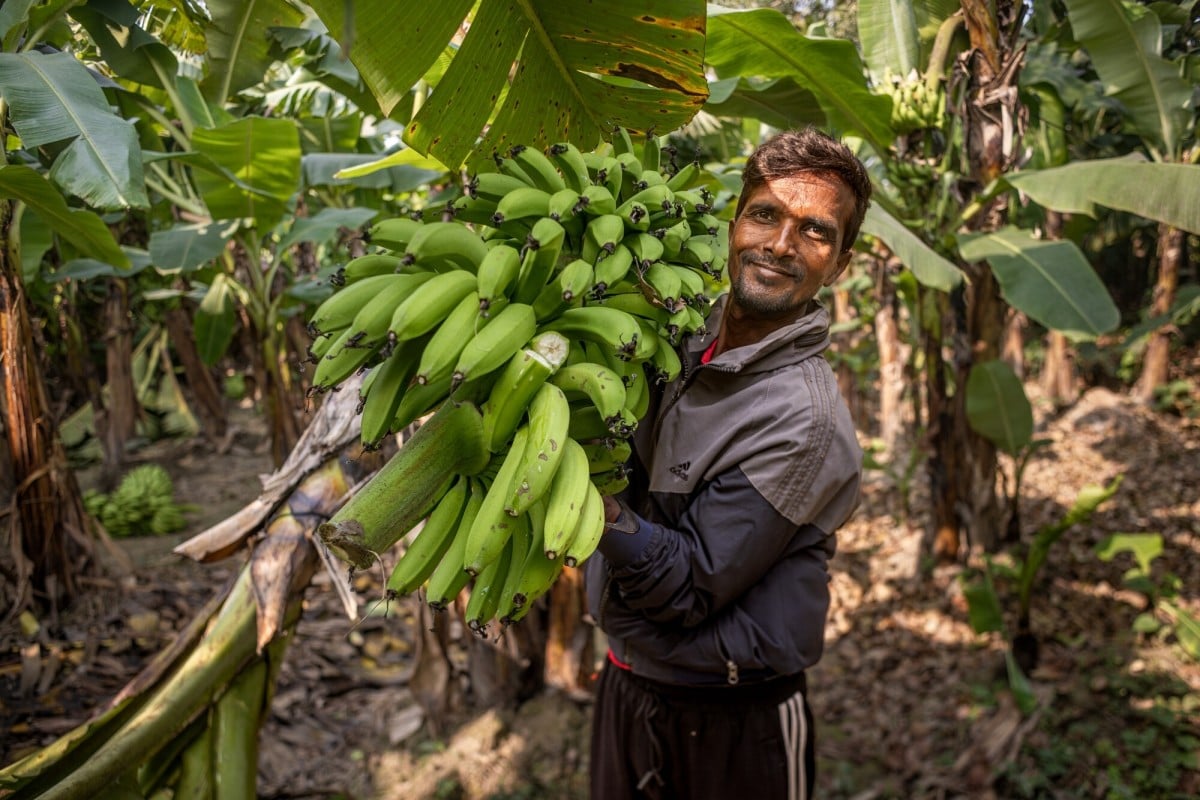
Born into Nepal's lowest caste, Jayantri used LWR's training and flood-resilient banana saplings to transform his flooded land into a thriving livelihood.
Poverty and inequality are at the heart of the hunger crisis. Our neighbors are hungry not because there’s not enough food, but because they cannot afford or access it. Women are especially affected. In many cultures, they have less access to land, loans and education, which makes them more vulnerable to hunger even though they are often the ones growing food for their families.
Broken and Inequitable Systems
In many regions, a large amount of food is lost before it ever gets to a family’s table. Unpredictable weather, inadequate storage, poor infrastructure, and lack of knowledge around resilient seeds or pest and water management mean that a significant portion of harvests can spoil or be destroyed before even being sold. And for those who can bring their crops to market, it’s usually not at a scale or quality that makes them attractive to the larger players that control market forces in a region. Addressing these larger systemic issues surrounding hunger is critical to creating sustainable and meaningful change. It involves working in collaboration with local community leaders, governments and organizations on multiple levels.
HOW hunger keeps our neighbors in poverty
The effects of hunger reach far beyond the physical pain of an empty belly. They create ripples that can harm individuals for a lifetime and trap entire communities in a cycle of poverty that becomes almost impossible to break free from.
Immediate Effects
In the short term, severe hunger leads to acute malnutrition, where the body starts to break down its own tissue for energy. This leaves people, especially children, dangerously weak and vulnerable to illness. A common cold that a healthy child could easily fight off can become deadly for a child who is malnourished. Mentally, hunger makes it impossible to focus. Parents can't work effectively, and children struggle to learn in school. In fact, in our work in Sierra Leone, a lack of food is cited as a top barrier keeping girls from attending and succeeding at school.
Long-Term Consequences
While short-term effects can often be reversed through nutritional and medical interventions, the long-term damage caused by hunger is often permanent. An extended lack of nutrition in early childhood causes stunting, which impairs growth and development. Stunted children often face cognitive delays that limit their ability to learn and earn a living as adults.
This creates a cycle that can last for generations. When children cannot reach their full potential, their entire community’s economic future suffers. Hunger costs billions of dollars annually — including lost productivity, higher public and private health care costs, even reduced GDP levels — making it even harder for the countries and communities most affected to escape poverty.
These impacts make hunger not only a humanitarian crisis, but a global economic one as well.
HOW you help hungry neighbors
Your love creates real and lasting solutions
Ending hunger is not just about meeting urgent needs — it’s about equipping families with the knowledge, resources, and support to grow their resilience in times of uncertainty and thrive for generations to come. Your compassion and generosity make both immediate relief and lasting progress possible for suffering communities.
SHORT-TERM SOLUTIONS: SAVING LIVES NOW
When disaster hits — whether it’s conflict, drought or severe storms — your support delivers real hope and tangible help right when families need it most.
Emergency food assistance
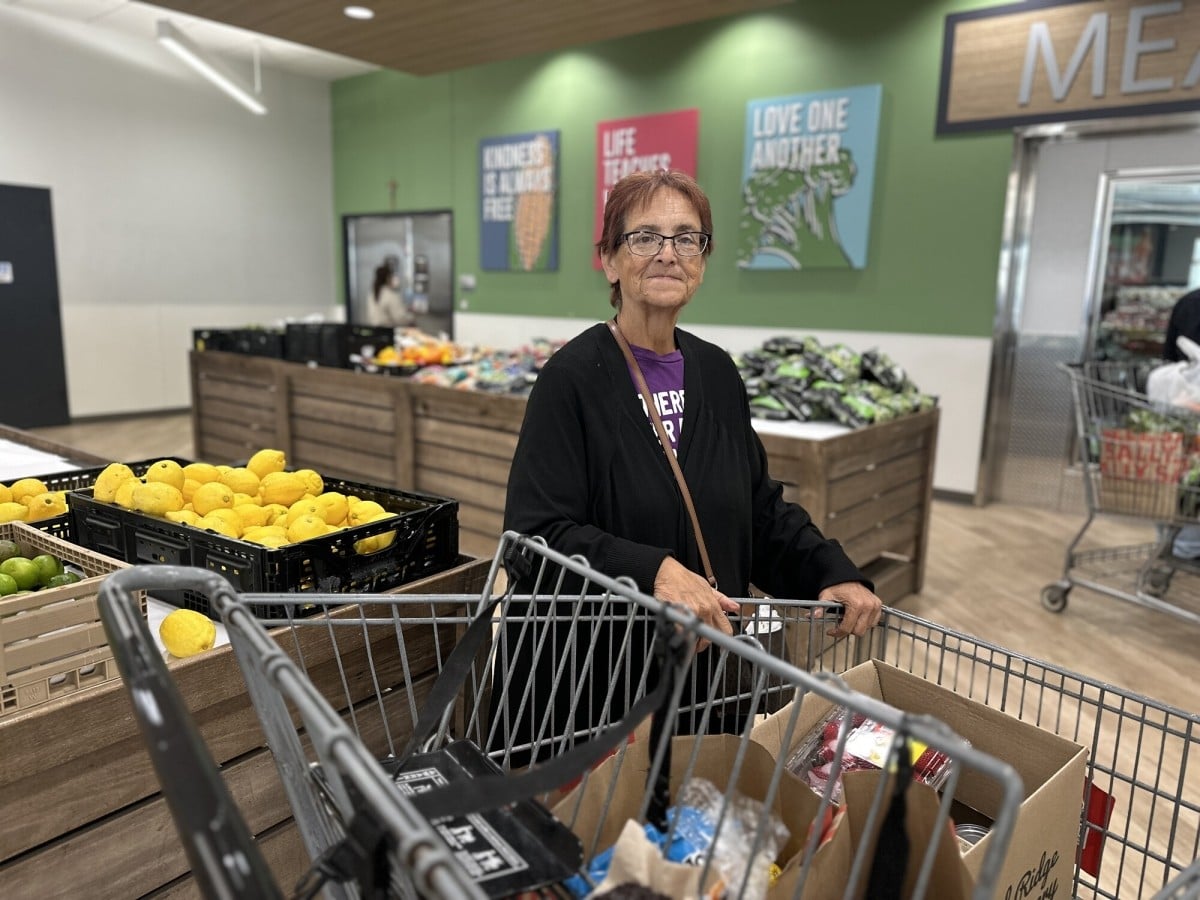
Diana visits an Oklahoma food pantry, made possible by your love. The region is prone to disasters and is one of the most food insecure area of the United States, with 1 in 4 children not having enough to eat.
Your support enables Lutheran World Relief to respond to our neighbors in their greatest time of need, providing emergency food, cash transfers and essential supplies to families who have lost their crops or been uprooted by crisis. In South Sudan, thousands of families fled violence only to become severely malnourished on the harrowing journey to safety. Your love welcomed them upon their arrival in displacement camps with immediate sustenance, including ready-to-eat therapeutic food to treat severe malnutrition. Closer to home, you fed those affected by severe weather across the United States through food pantries and cash transfers, which ensure local economies are supported while neighbors have the dignity of choice.
Supporting health and nutrition
LWR partners with local organizations to ensure that mothers and young children receive vital nutritional support during crisis situations and beyond. In Guatemala’s Western Highlands, your generosity empowered training and education, teaching families to promote exclusive breastfeeding, introduce diverse foods for young children, and provide clean water and sanitation. As a result, 100% of children under six months of age were exclusively breastfed, and all young children accessed more varied, nutritious food.
These rapid interventions save lives and set the stage for recovery — allowing families to weather crises with dignity and resilience.
LONG-TERM SOLUTIONS: BUILDING RESILIENCE FOR TOMORROW
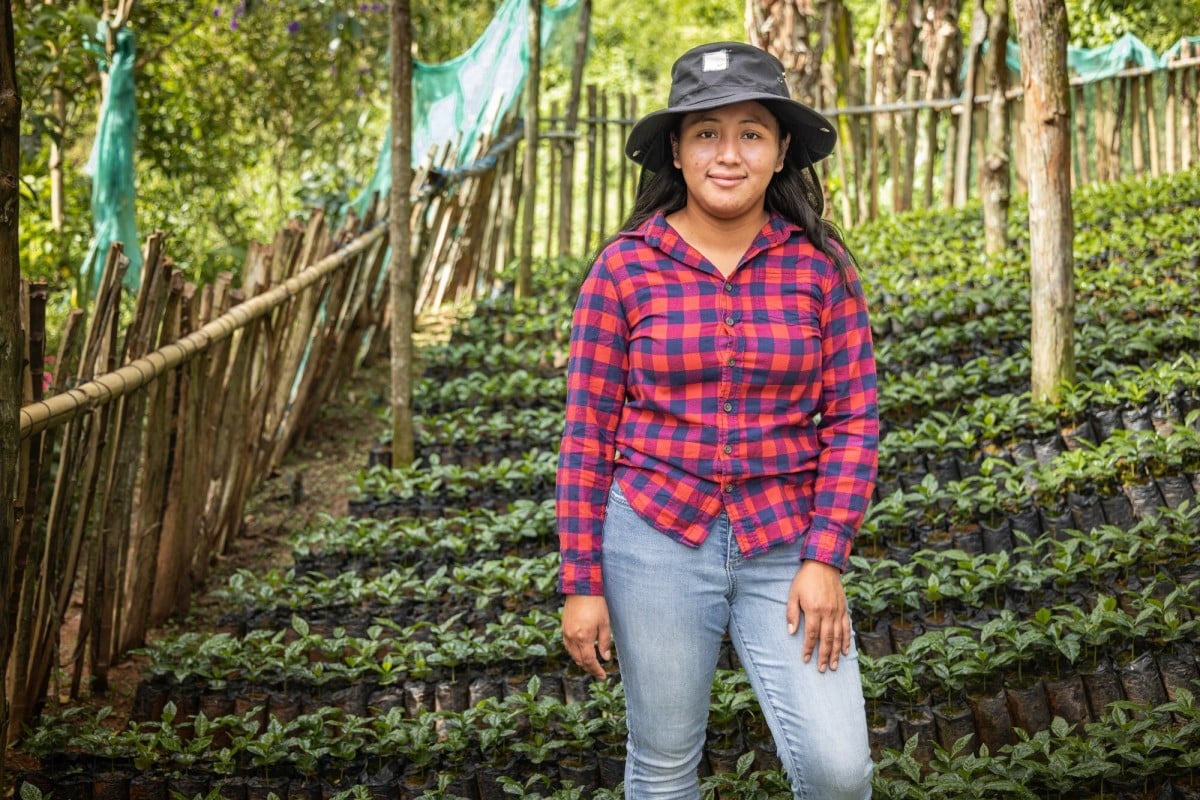
Coffee farmer Bessy in Honduras is learning organic and sustainable agricultural practices, which will improve her product and open her access to specialty and international markets.
Real and lasting change is possible when you invest in families and communities, empowering them to build a brighter, hunger-free future.
Improved agricultural practices
From the dry regions of Central America to the Sahel in Africa, your love teaches farmers how to adapt to changing weather, conserve water, and diversify crops with weather-resilient seeds and sustainable farming methods. In Burkina Faso, LWR has supported sesame farmers to cultivate more than 341,000 acres using improved agricultural practices. As a result, farmers have sold 166,354 metric tons of high-quality sesame, valued at $243 million — up from just $2.8 million in 2016.
Strengthening local economies
LWR doesn’t stop at helping farmers produce more food; we connect producers to markets and provide training in business and post-harvest practices. In Central America’s coffee and cocoa sectors, tens of thousands of producers have been trained in everything from improved farming to cooperative marketing and digital tools. These skills have enabled families not only to earn more, but also to invest in their children’s education and design brighter futures.
Equipping women farmers
Women produce half of the world’s food — up to 80% in some countries — yet own less than 20% of farmland. If women had the same access to resources as men, farm yields could increase by 20–30%, feeding an additional 100 to 150 million people.
For over 70 years, LWR has partnered with women farmers, knowing their success transforms entire communities. Your support helps women improve crops, adopt better techniques and connect with buyers who pay fair prices. LWR collaborates with farmers, businesses, and governments to create equitable markets that feed families and improve lives. In Ukraine, your generosity has enabled farmers to rebuild after losing everything in the war. Thanks to your support, farming families have received essential supplies, training for sustainable production and micro-grants to grow their businesses. These efforts strengthen farming communities' resilience against the economic impacts of conflict.
You are the engine of change
Your support isn’t just felt today — it breaks the cycle of hunger for tomorrow. Each program, partnership and training is designed to bring lasting progress, so families can provide for their children and build flourishing communities.
Your generosity powers both emergency responses and long-term solutions, from providing cash transfers to neighbors devastated by tornadoes to weather-resistant seeds and training on improved agricultural practices for farmers in disaster-prone communities.
Together, we can create a world where every family has the resources and dignity to thrive— today and for generations to come.