


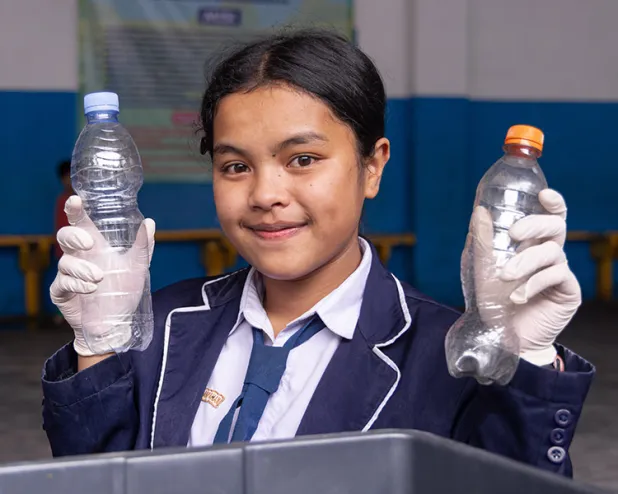
The earth is the Lord’s and all that is in it, the world, and those who live in it
We are God’s creations, and we live in a beautiful world full of plants, animals, landscapes and oceans that were also made by our Creator.
If all of creation belongs to God, then how we steward the Earth is a spiritual matter. As followers of Christ, how are we called to use, protect and live alongside the rest of creation?
Meanwhile, our actions also have real-world impacts on the physical health and well-being of every living thing — including ourselves.
As we observe World Environment Day, we want to thank YOU for the many ways you steward God’s creation with care and compassion through your support of Lutheran World Relief.
One very visible way humans affect our planet is through the trash and other waste we create in our homes and on our farms.
Why is trash a problem?
Every day, the equivalent of 2,000 garbage trucks full of plastic are dumped into the world's oceans, rivers and lakes — and this plastic waste never fully breaks down. Instead, it leeches polluting chemicals and microplastics into the water, gets tangled around wildlife and physically destroys habitats such as coral reefs.
Additionally, Bagekin Ginting, an environmental health officer for the Government of Indonesia, says, “When waste isn’t managed properly, it can cause diseases like cholera, diarrhea, parasitic worms, skin problems and typhoid. It can even become a breeding ground for mosquitoes that spread dengue fever… Those are just a few examples of diseases caused by unmanaged waste.”
Clearly, properly managing and reducing our trash is in the best interest of every plant, animal and human.
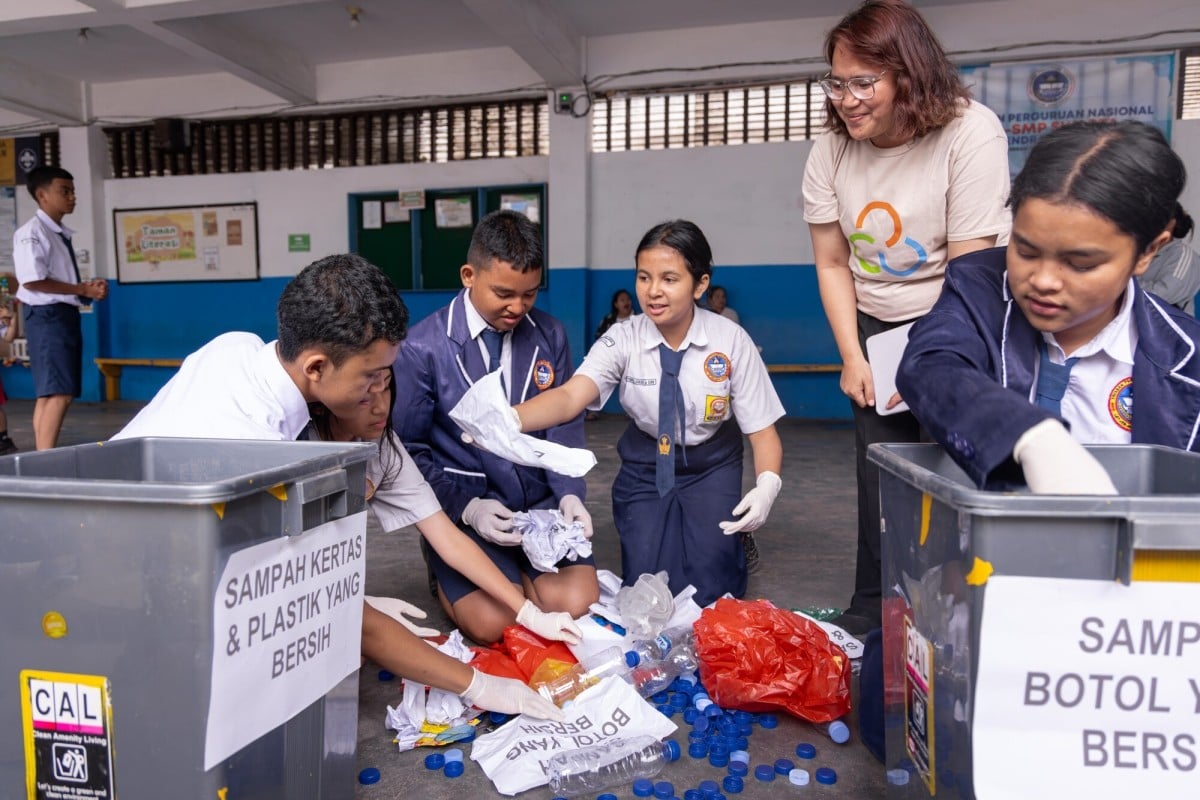
LWR’s Vivi Andriane Pane, senior program director, talks to students about sorting and recycling waste at Letnan Jenderal Jamin Ginting Junior High School in Berastagi, Indonesia.
Your impact looks like:
- Teaching schoolchildren about handwashing, waste management and recycling;
- Helping local leaders like Pagit (see video above) establish garbage banks to manage their communities’ trash;
- Teaching farmers how to turn farm waste into organic fertilizer; and more.
Your support helps to keep families healthy, improve the quality of the soil and protect the environment — all while equipping farmers to increase their incomes and spend less of their hard-earned money on expensive and polluting chemical fertilizers.