


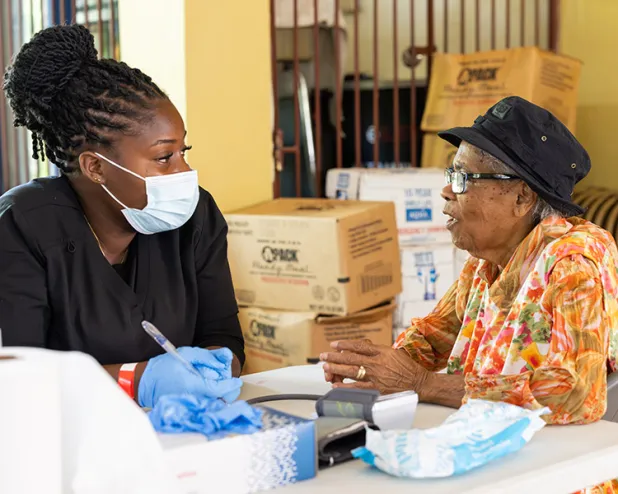
“Hurricane Melissa hit us like a rock.”
That’s how Carmen James, an elderly resident of Wakefield, Jamaica, described the storm that rocked the country on October 28, 2025.
Hurricane Melissa was the first category five storm in history to reach landfall in Jamaica, and the impact was immense:
- 45 people were killed, and more than 279,000 people were displaced. Thousands are still living under tarps as the next storm season approaches.
- The storm targeted Jamaica’s “breadbasket” region, destroying the crops that feed the nation and making food both scarce and expensive.
- As of February 2026, at least 105 health facilities were still not fully functional — leaving thousands of Jamaicans without basic health care.
For our neighbors who are still recovering, your generous love is making its way into hard-hit and hard-to-reach communities in our mobile medical clinics set up at schools, churches and other community sites.
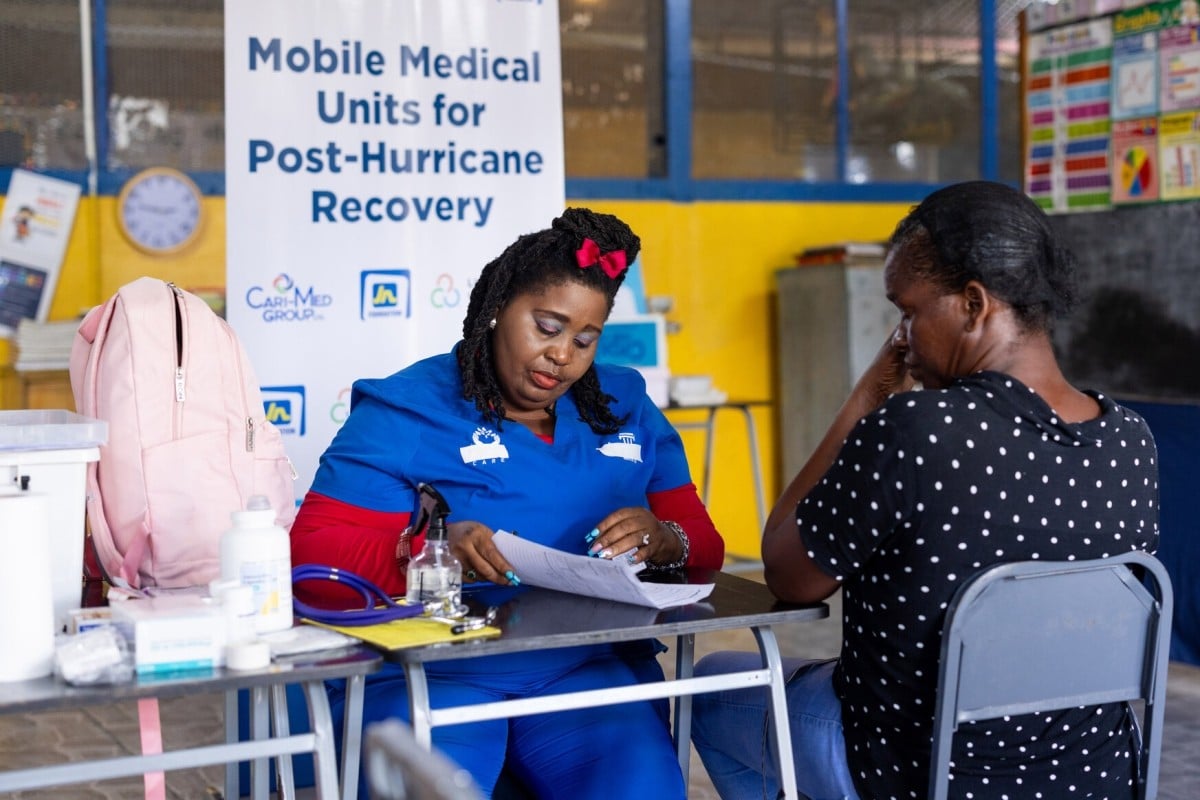
Nurse practitioner Karen Miller Bogle examines a patient at Kew Park Primary and Infant School in Rat Trap, Westmoreland parish. To date, she has volunteered at every mobile clinic event.
Through these outreach events, families are receiving health checkups, essential medications, food packages and an encouraging reminder that they are not alone.
To date, our mobile clinics have made 12 visits to rural communities and served more than 700 people, with more stops planned through August 2026. Distribution of LWR Quilts & Kits is also underway.
Meet your neighbors in Jamaica
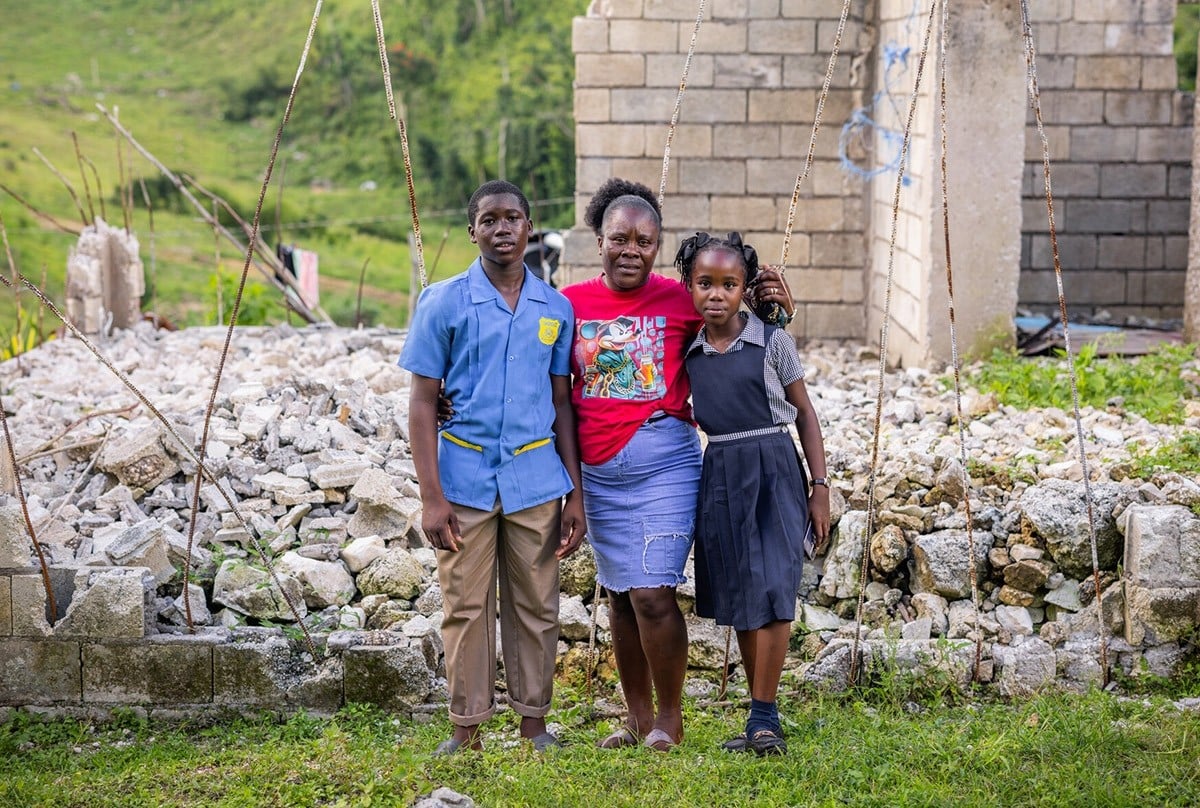
Sheina with her son Leshane, 13, and daughter Crisanique, 10, in front of their collapsed home in Westmoreland parish, Jamaica.
Sheina Robinson visited the mobile clinic to ensure her diabetes and hypertension were under control. Sheina’s family lost everything to Hurricane Melissa — their home, their jobs, even Sheina’s medications.
After the storm, she went several weeks without taking them because the roads were blocked. Replacing them put their family in a difficult financial situation, because neither Sheina nor her husband have been able to find new jobs.
She says, “I'm really glad that you came, and we're able to get some reassurance that you’re doing well, your health is okay. Sometimes just a little thing like that can help you keep moving forward.”
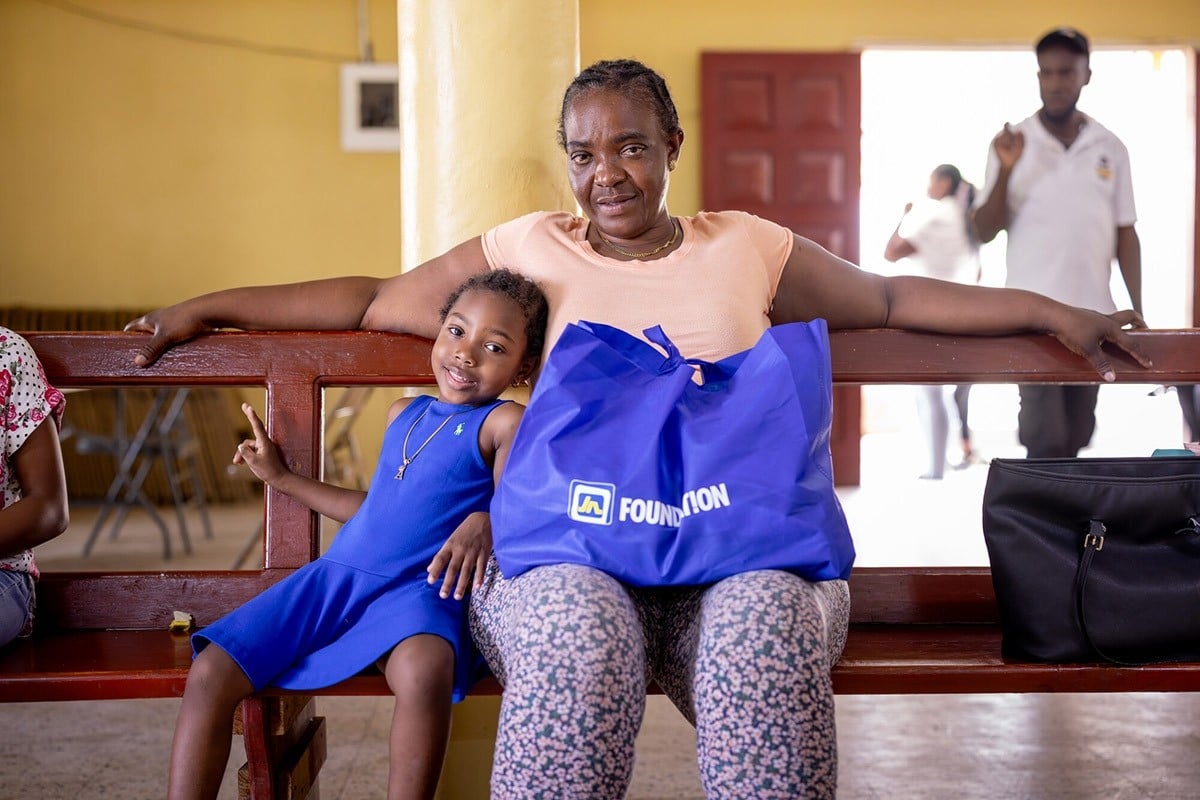
Nikki and her daughter Amaya, 4, wait to see the doctor at the mobile clinic at Wakefield Baptist Church in Trelawny parish, Jamaica. The food package contains shelf stable items such as canned foods, corned beef, sardines, rice and crackers.
Nikki Coates has been dealing with stomach pain and high stress levels since the hurricane destroyed the home she was building, the home she was renting, and all the goods she used to sell at her roadside stand.
“I can't really tell you how much, but all my money when I save, work, sell, wash away,” she said.
Nikki felt fortunate that the mobile clinic physician provided free medication and advice for treating her acid reflux. To purchase the medicine herself, she would have to take a taxi 30 minutes to the closest large town. This is too expensive for her right now, because she is barely scraping enough food together for her family.
She was especially grateful for the food package your compassion provided, as well as the reassurance that her blood pressure was normal given her stress and family history.
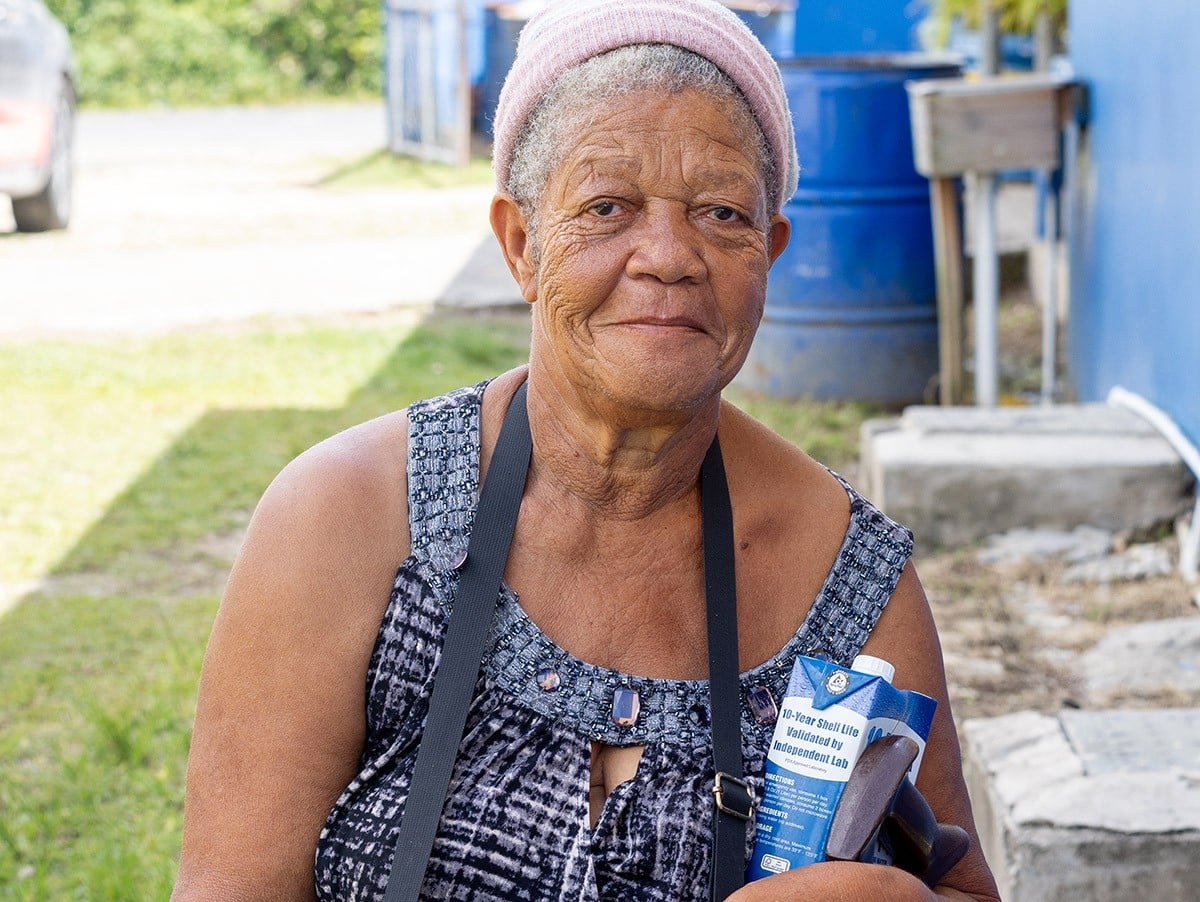
For Millicent Ulett, taking care of her health also means she remains able to care for her 35-year-old son, who has Down Syndrome.
Millicent Ulett, who lives in Rat Trap, Westmoreland parish, was drawn to the mobile clinic because a friend told her all patients would receive a food package.
During her visit, the doctor discovered Millicent’s blood pressure was very high. Millicent has a history of hypertension. She had a stroke several years ago, and she uses a cane due to limited mobility on her left side. She admitted she had not taken her medication that morning.
According to nurse practitioner Karen Miller Bogle, this is not uncommon at the mobile clinics. She says, “A lot of time, persons will come, and they have not taken their medication. When you ask, "Why didn't you take your medication?" [They will say,] "I didn't have any food." Other times, they are rationing their medication or had to choose between purchasing it or buying food.
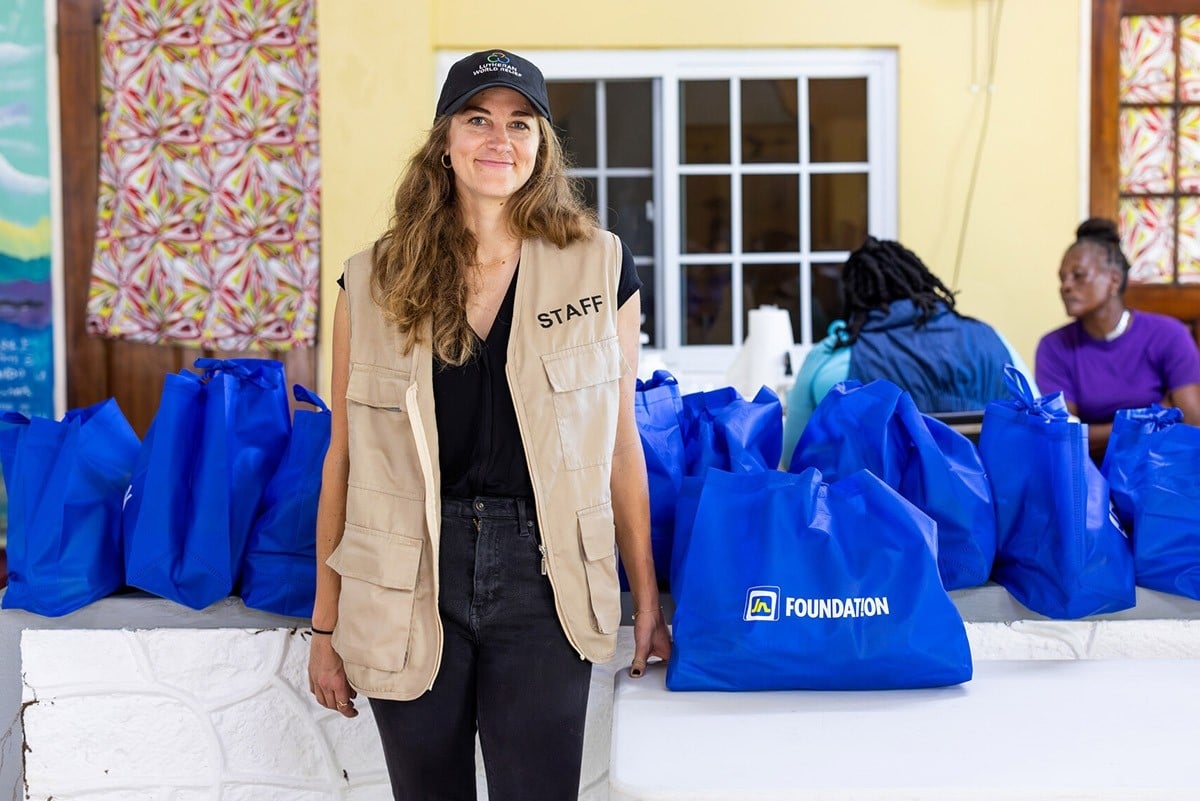
Emily Grose, LWR’s Associate Director of Humanitarian Assistance, hands out food packages at the mobile clinic at Wakefield Baptist Church in Trelawny parish.
Your compassion brings hope where it’s needed most
Special thanks to our local partners the JN Foundation, St. John Ambulance Jamaica and Cari-Med for making these clinics possible — and special thanks to YOU for your incredible generosity for your neighbors in need.