



LWR Farmers Market Coffee is coffee direct from farmer to you
Fact: The hardworking farmers who grow your coffee are often the ones who profit the least from it. But there’s a better way!
For every bag of rich, delicious LWR Farmers Market Coffee you buy, a farmer receives a strong, up-front price for their coffee beans and shares in the profit of the final sale.
With LWR Farmers Market Coffee, farmers aren’t just suppliers of coffee beans, they are partners in the coffee business.
Offered in a balanced medium roast, a classic dark roast or a smooth decaf, LWR Farmers Market Coffee is available in 12oz bags for your home or in bulk for your congregation. Serve it at your congregation’s coffee hour. Or sell it for a fundraiser or as an educational opportunity. You can even sign up for a home subscription to enjoy during your morning routine.

Meet Our Farmers
-
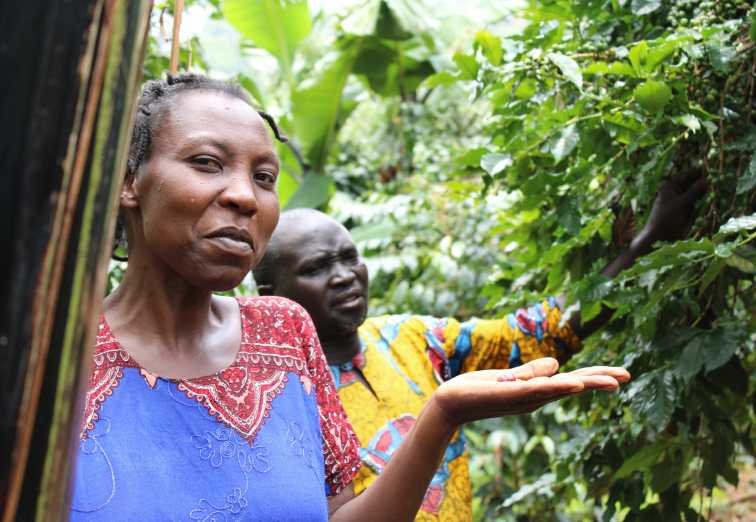
Meet Wadamba Dison and Nafuna Oliver
Education is light. It is also the ministry Wadamba and Nafuna bring to their community. With your purchases of LWR Farmers Market Coffee, you become a part of that ministry...
-

Meet Gustavo
Gustavo's farm is teeming with life. There are dogs, chicken, adult children, grandchildren - and there are coffee trees...
-
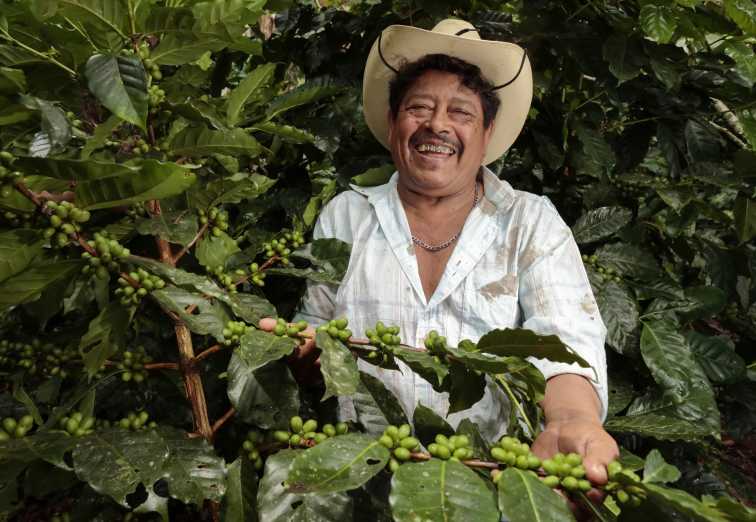
Meet José
In his 69 years, José has lived through a lot. In the 1970s, war in Nicaragua forced his family to leave their hometown and move to San Isabel...
For these childhood sweethearts, coffee is more than a crop – it’s a ministry. It’s allowed them to build a strong family and a school to keep children in the Mt. Elgon region of Uganda on the pathway to success.
Working in partnership
LWR is producing LWR Farmers Market Coffee in partnership with THRIVE Farmers Coffee, a coffee roaster who shares our passion for helping farmers lift themselves out of poverty, and become self-sufficient and better able to support their families.